
Okay, real talk. I spent way more hours than I’d like to admit watching camera-comparison videos on YouTube, digging through photography forums, and squinting at spec sheets trying to figure out which phones actually deserve a spot on a list of the best phones for photography this year. Not the marketing fluff. The stuff that actually matters when you’re trying to get a decent shot at a concert, a sunset, or your kid’s soccer game.
Ten phones kept showing up, over and over, in every serious comparison I found. Some of them surprised me. One phone I expected to dominate barely cracked the top ten in the raw camera scores. So let’s just get into it. Whether you are capturing dynamic low-light street views or vibrant landscape portraits, this guide breaks down everything you need to know about the best phones for photography currently on the market.
What Makes a Great Camera Phone?
Before we get to the list, let’s quickly cover what I actually looked at when judging these things, because this is exactly what separates the best phones for photography from phones that just have flashy spec sheets. “Megapixels” alone tells you almost nothing, and if a spec sheet is throwing that number at you like it’s the only thing that matters, be suspicious.
Sensor size. Bigger sensors gather more light. That’s it, that’s the whole reason 1-inch sensors keep showing up on flagship phones now.
Megapixel count. Useful for cropping and detail, but only if the sensor and processing behind it are actually good. A 200MP sensor on cheap glass is still a cheap camera.
Lens versatility. Ultra-wide, main, telephoto — the more focal lengths you’ve got, the fewer times you’ll have to walk closer or crop and pray.
Image processing. This is honestly where most of the magic (and most of the arguments) happen. Two phones can have near-identical hardware and produce wildly different photos because of software.
Video capabilities. If you’re shooting reels or vlogs, this matters just as much as stills, maybe more. Evaluating both motion stabilization and color processing ensures you select a device that genuinely earns its place among the best phones for photography.
Top 10 Best Phones for Photography – My Picks
Here’s my actual list of the best phones for photography in 2026, ranked by what I found after cross-referencing DXOMARK’s lab scores with real-world reviews from people who’ve actually shot with these things for weeks, not hours.
1. Huawei Pura 80 Ultra – Best Overall
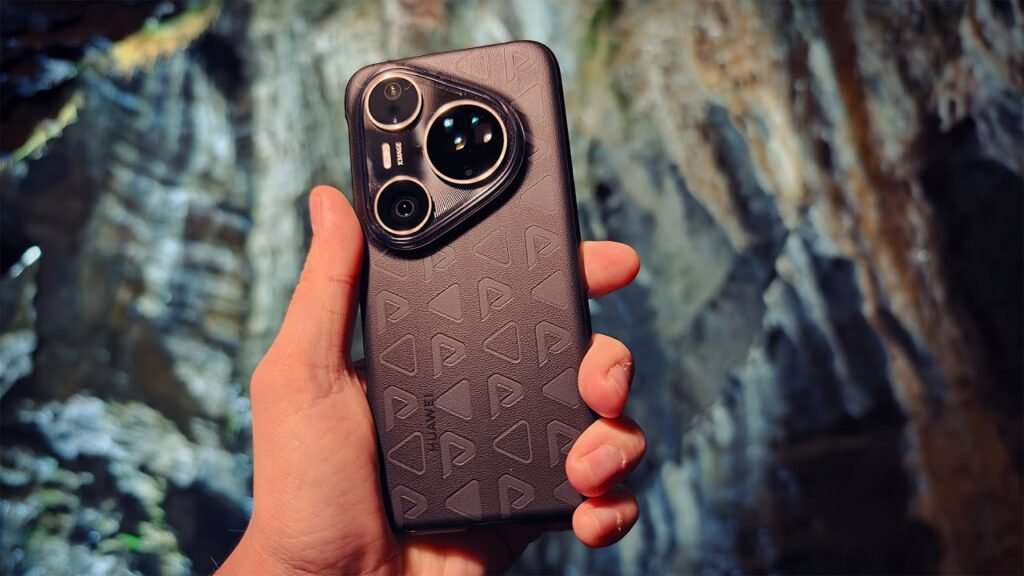
| Camera Spec | Details |
|---|---|
| Main Sensor | 50MP, 1-inch sensor, variable f/1.6–f/4.0 aperture |
| Ultra-Wide | 40MP, f/2.2, autofocus |
| Telephoto | Switchable dual lens: 50MP f/2.4 (3.7x, 83mm) / 12.5MP f/3.6 (9.4x, 212mm) |
| Video | 4K HDR, TCG-HDR triple-gain sensor (up to 16 stops of dynamic range) |
| Special Features | RYYB color sensor, OIS on all lenses, IP68/IP69 rating |
This is currently sitting at the top of DXOMARK’s camera rankings with 175 points, and honestly, after reading through a dozen reviews, I get why. The switchable telephoto system is genuinely clever engineering — one sensor, two lens configurations, so you get both a 3.7x and a 9.4x optical zoom without the phone getting stupidly thick.
What I Love: The dynamic range on this thing is absurd. Reviewers keep comparing it to compact cameras, not other phones.
What Could Be Better: No Google Play Services out of the box, and it’s tough to find at retail outside China without importing. That’s a real dealbreaker for a lot of people, and I won’t pretend otherwise.
Price: Around $1,500 (import pricing — no official U.S. or EU retail channel).
Best For: Photography obsessives who don’t mind sideloading apps for the best raw image quality money can buy right now.Its unrivaled dynamic range and hardware versatility make it an absolute standout among the best phones for photography in 2026.
2. Vivo X300 Ultra – Best for Dual 200MP Cameras
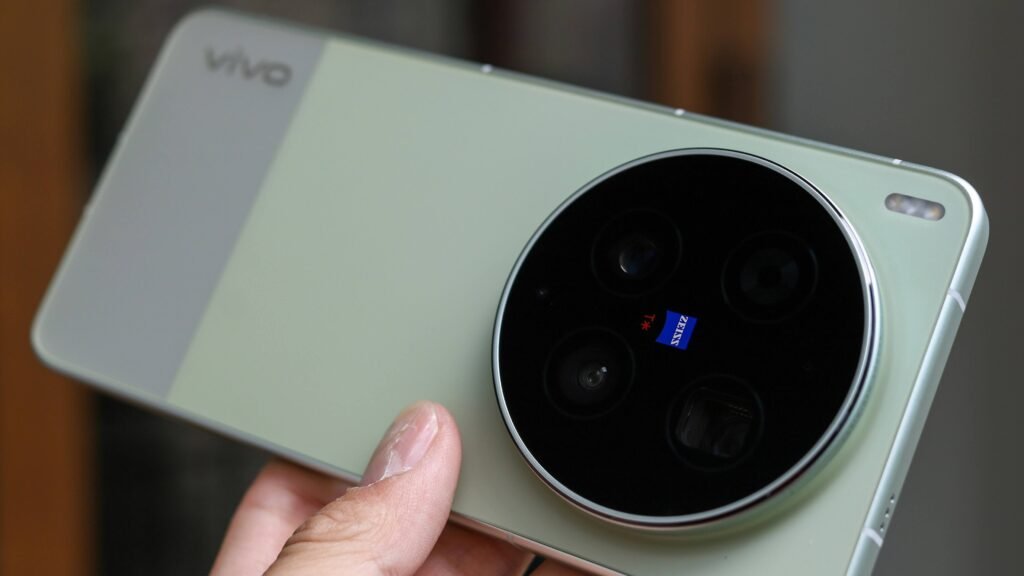
| Camera Spec | Details |
|---|---|
| Main Sensor | 200MP Sony LYTIA 901, 1/1.12″, f/1.85, 35mm equivalent |
| Ultra-Wide | 50MP Sony LYTIA 818, 1/1.28″, 14mm |
| Telephoto | 200MP Samsung ISOCELL HP0, 1/1.4″, 85mm, gimbal-grade stabilization |
| Video | 8K, 4K at 120fps, 10-bit Log, Dolby Vision |
| Special Features | Optional 200mm and 400mm teleconverters, full focal-length OIS |
Yeah, it’s got dual 200MP sensors, and it’s ridiculous in the best way. DXOMARK put it in a tight three-way tie for third place at 170 points, right alongside the Oppo below. Funny enough, its own sibling, the X300 Pro, actually edges it out by a single point overall, mostly because of a video-scoring quirk. Don’t let that fool you though.
What I Love: The 85mm telephoto is one of the sharpest I’ve seen on a phone, and the teleconverter accessories genuinely turn it into a mini camera system.
What Could Be Better: Low-light video shows more noise than I expected given the price tag, and exposure can wobble a bit in tricky lighting.
Price: Roughly $1,400–$1,600 depending on region.
Best For: Anyone who zooms constantly and wants detail retention that most phones just can’t touch. If high-resolution telephoto shots are your top priority, this dual 200MP setup easily secures its ranking among the best phones for photography.
3. Oppo Find X9 Ultra – Best All-Around Camera Phone
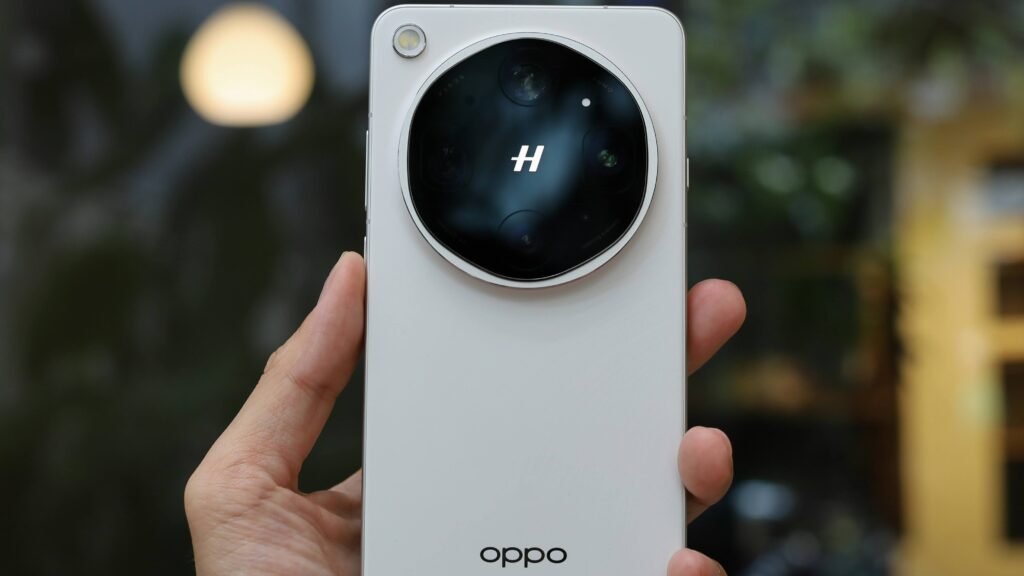
| Camera Spec | Details |
|---|---|
| Main Sensor | 200MP, f/1.5, 1/1.12″ sensor |
| Ultra-Wide | 50MP, f/2.0, 1/1.95″ |
| Telephoto | 200MP f/2.2 (70mm) + 50MP f/3.5 (230mm, 10x optical) |
| Video | 4K, Hasselblad color tuning |
| Special Features | Dual periscope-style telephoto setup, top score for bokeh (185 points) |
Tied with the Vivo above at 170 points, this is another genuine contender for the best phones for photography this year, and it impressed me with how balanced it felt across every category. It scored the highest bokeh rating of any phone DXOMARK has tested, which tracks — the portraits I’ve seen from this thing look genuinely professional.
What I Love: Two dedicated telephoto lenses instead of one stretched thin. You get real 70mm and real 230mm shots, not digital guesswork in between.
What Could Be Better: Video scored noticeably lower than photo (161 vs. 175), and low-light white balance can drift warm.
Price: Ultra-premium tier, roughly $1,300–$1,500.
Best For: People who want one phone that does everything well instead of one thing exceptionally. With class-leading portrait rendering and dual periscope lenses, it holds a strong position on any list of the best phones for photography.
4. Samsung Galaxy S26 Ultra – Best for Zoom & Versatility
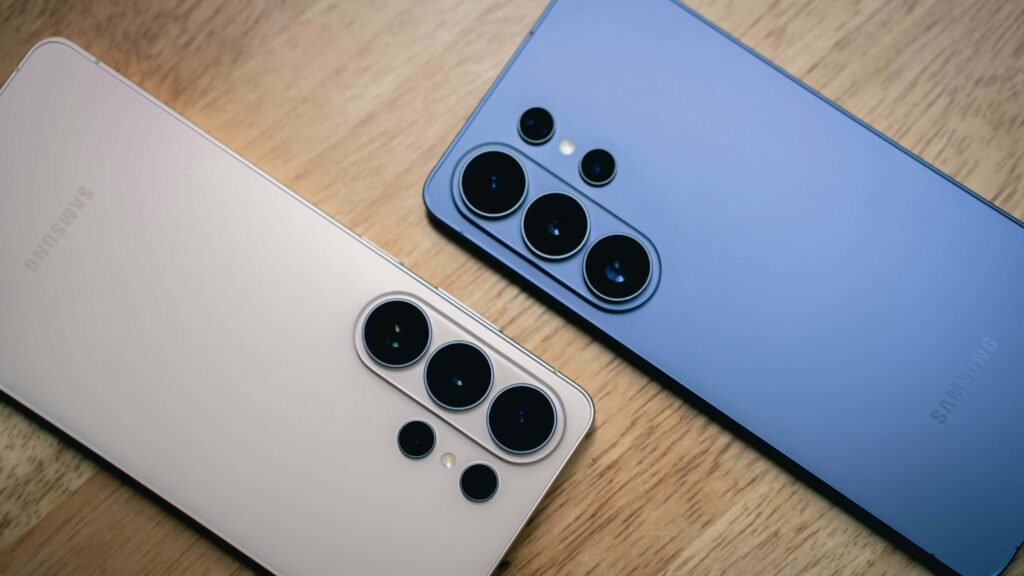
| Camera Spec | Details |
|---|---|
| Main Sensor | 200MP, 1/1.3″, f/1.4, 23mm |
| Ultra-Wide | 50MP, 1/2.5″, f/1.9, 120° field of view |
| Telephoto | 10MP f/2.4 (3x) + 50MP f/2.9 (5x), Space Zoom to 100x |
| Video | 8K at 24/30fps, 4K at up to 120fps |
| Special Features | Horizon Lock stabilization, Advanced Professional Video codec |
Here’s my brutally honest take: this one’s overall DXOMARK score isn’t going to top any charts this year, and I’m not going to pretend otherwise. But at long-range zoom specifically, it’s genuinely dominant — reviewers found it beating even the iPhone 17 Pro at high zoom levels. That’s the whole reason it’s on this list of the best phones for photography instead of getting cut.
What I Love: The wider f/1.4 main aperture is a real, noticeable low-light improvement over last year, and the 100x zoom range still has no real Android competitor.
What Could Be Better: Software processing can look over-sharpened straight out of camera, and autofocus in portrait mode has some inconsistency reviewers flagged.
Price: Around $1,300.
Best For: Zoom-obsessed shooters already living in the Samsung ecosystem. Even with fierce competition this year, its extreme Space Zoom capabilities keep it firmly relevant for buyers looking for the best phones for photography.
5. Apple iPhone 17 Pro & Pro Max – Best for Video & Creators
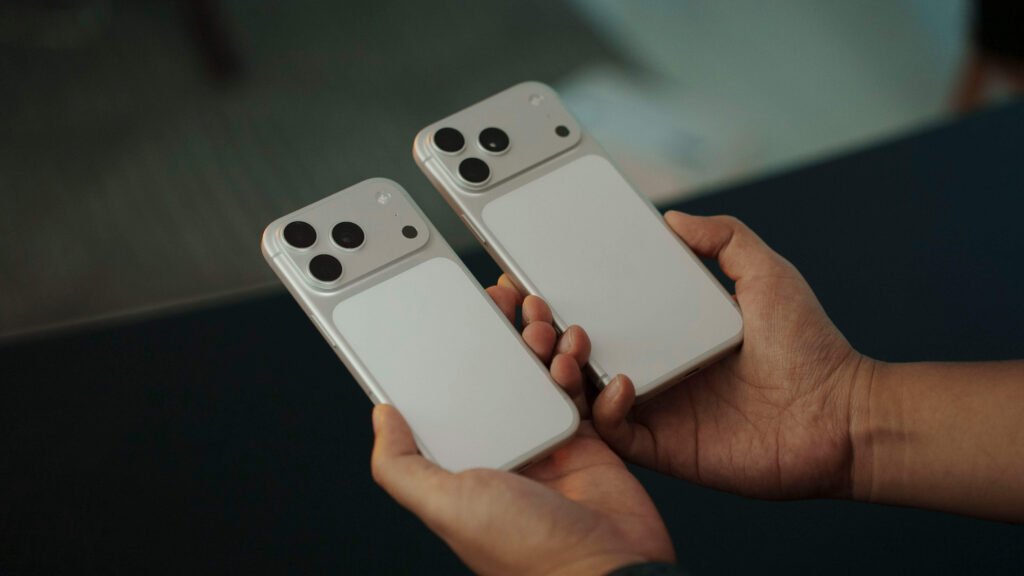
Whether you choose the iPhone 17 Pro or the larger Pro Max, you get identical camera hardware and optical capabilities across both devices. Photo and video output remain completely uniform, leaving physical display size and battery life as the only deciding factors between them.
| Camera Spec | Details |
|---|---|
| Main Sensor | 48MP, f/1.78, 24mm |
| Ultra-Wide | 48MP, f/2.2 |
| Telephoto | 48MP, f/2.8 |
| Video | Best-in-class video score on DXOMARK, ProRes, Dolby Vision |
| Special Features | 18MP Center Stage front camera, A19 Pro chip |
If video is your priority, this is genuinely the one to beat. It holds the top video score among every phone DXOMARK has tested this cycle, and the selfie camera also takes the global top spot. It’s currently around fifth overall for total camera score, but that overall number undersells how good it is specifically for footage.
What I Love: Consistency. Every reviewer I read said basically the same thing — you know what you’re getting, shot after shot, in a way some of the flashier Android phones can’t quite match.
What Could Be Better: The photo score actually trails several rivals here, especially in pure zoom detail compared to the Vivo and Huawei above.
Price: $1,299. $1,399.
Best For: Content creators and anyone who shoots more video than stills.
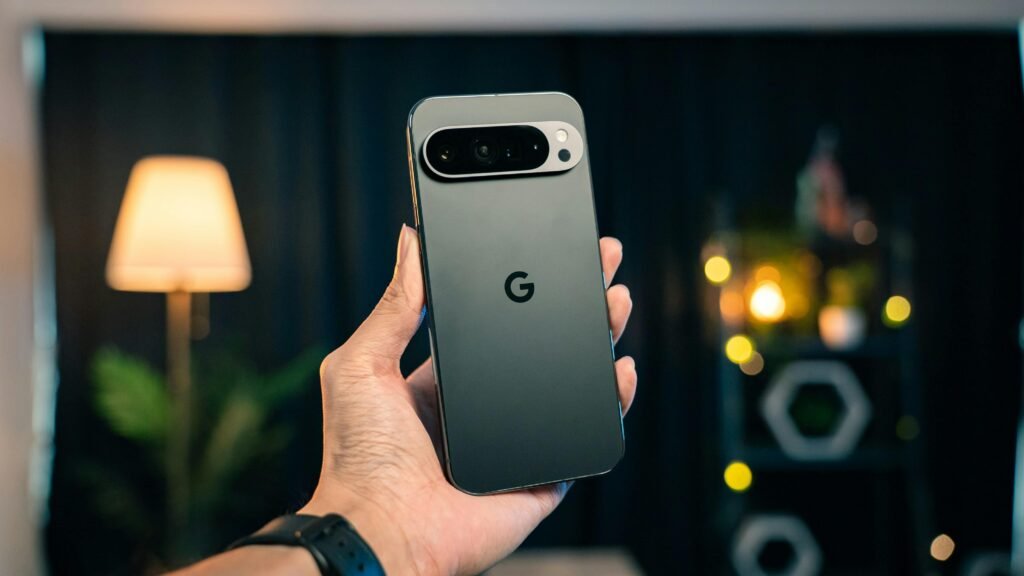
6. Google Pixel 10 Pro XL – Best for Stills & AI
| Camera Spec | Details |
|---|---|
| Main Sensor | 50MP, 1/1.31″, f/1.7, 25mm |
| Ultra-Wide | 48MP, f/1.7, 123° FOV, 13mm |
| Telephoto | 48MP, f/2.8, 113mm, 5x optical |
| Video | 4K at 60fps, 8K via cloud upscaling |
| Special Features | Camera Coach (Gemini-powered), Magic Editor, Ask Photos |
This one was sitting comfortably in the top five earlier in the year, before the wave of 200MP monsters from Huawei, Vivo, and Oppo landed and pushed things around a bit. Still, for straightforward stills and genuinely useful AI editing tools, this is one of the best phones for photography if you want help getting a great shot without fiddling with manual settings.
What I Love: Camera Coach is legitimately useful, not gimmicky — it actually nudges you toward better framing and lighting in real time.
What Could Be Better: The Tensor chip lags behind Snapdragon rivals for processing speed, and stabilization is a step behind Apple and Samsung’s flagships.
Price: $1,199.
Best For: People who want great stills and AI help without needing a physics degree to use Pro mode. For effortless point-and-shoot consistency backed by intelligent AI editing tools, it remains one of the best phones for photography for everyday users.
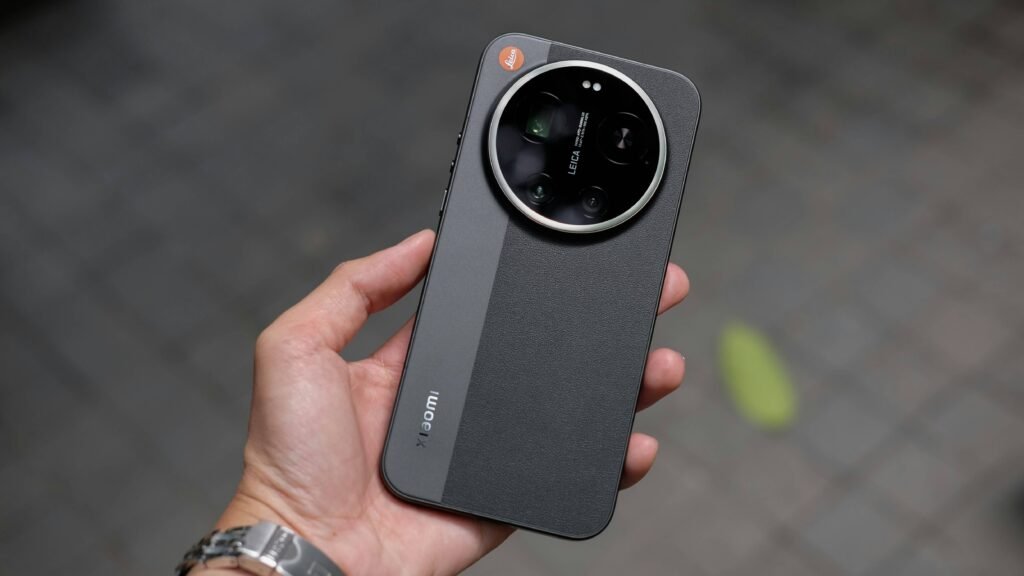
7. Xiaomi 17 Ultra – Best for Photography Enthusiasts
| Camera Spec | Details |
|---|---|
| Main Sensor | 50MP, 1-inch Light Fusion 1050L, f/1.67, 23mm |
| Ultra-Wide | 14mm, f/2.2 |
| Telephoto | Leica 200MP, continuous 75–100mm optical zoom, APO-certified |
| Video | 4K at 120fps, Log profile, Dolby Vision |
| Special Features | Leica optical tuning, up to 400mm with digital extension |
Out of every phone on this best phones for photography list, this is the one I’d hand to someone who genuinely loves photography as a hobby, not just as a phone feature. That continuous 75–100mm optical zoom range is unlike anything else on this list — it behaves more like an actual camera lens than a fixed smartphone zoom step.
What I Love: The Leica color science is gorgeous straight out of camera. Less editing needed, which I always appreciate.
What Could Be Better: It runs warm during extended 4K120 recording, and the “by Leica” edition costs a real premium over the standard model.
Price: Around $1,400.
Best For: Enthusiasts who want manual control and a zoom range that feels like real glass. The combination of continuous optical zoom and Leica color profiles creates an editorial shooting experience that few other best phones for photography can duplicate.
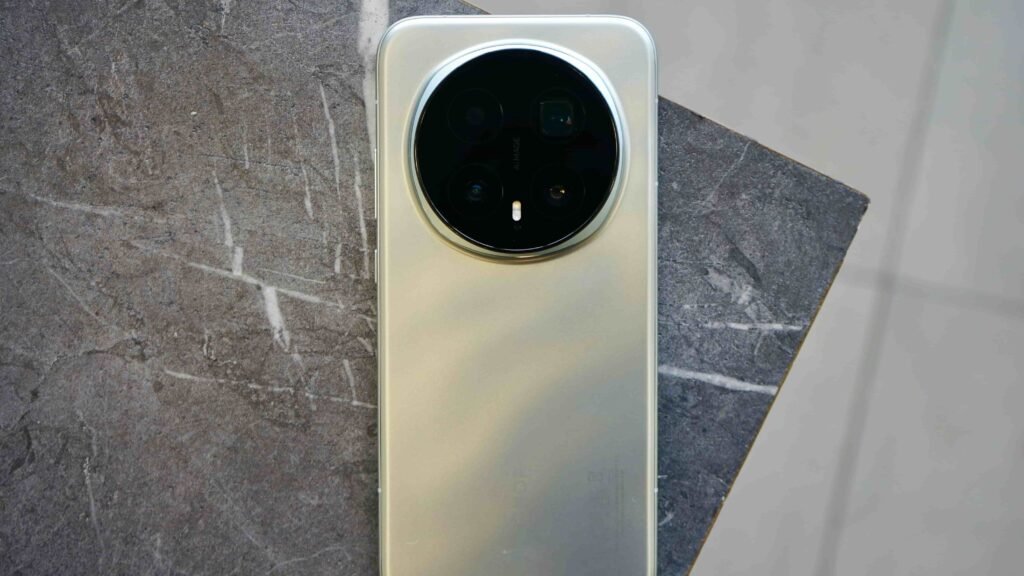
8. Honor Magic 8 Pro – Best for Low-Light Photography
| Camera Spec | Details |
|---|---|
| Main Sensor | 50MP, 1/1.3″, f/1.6, 23mm |
| Ultra-Wide | 50MP |
| Telephoto | 200MP Samsung ISOCELL HP9, 1/1.4″, 85mm, f/2.6, 3.7x optical |
| Video | 4K at 120fps |
| Special Features | CIPA 6.5-rated stabilization, AI Ultra Night Engine |
Multiple reviewers independently landed on the same conclusion here: this thing shoots cleaner low-light images than phones costing considerably more. The telephoto lens in particular holds detail at night in a way that genuinely surprised me reading through the tests.
What I Love: Handheld night shots at 3.7x zoom that stay sharp. I did not expect that from a non-Apple, non-Samsung flagship.
What Could Be Better: Video consistency and color accuracy lag behind the still-photo performance, and daylight ultra-wide shots can look a bit soft.
Price: Around $1,300–$1,400.
Best For: Night owls, concert photographers, anyone who shoots more after dark than during the day. Delivering strikingly crisp night shots without needing a tripod makes it a dark-horse contender among the best phones for photography.
9. Apple iPhone 17 – Best Everyday Camera
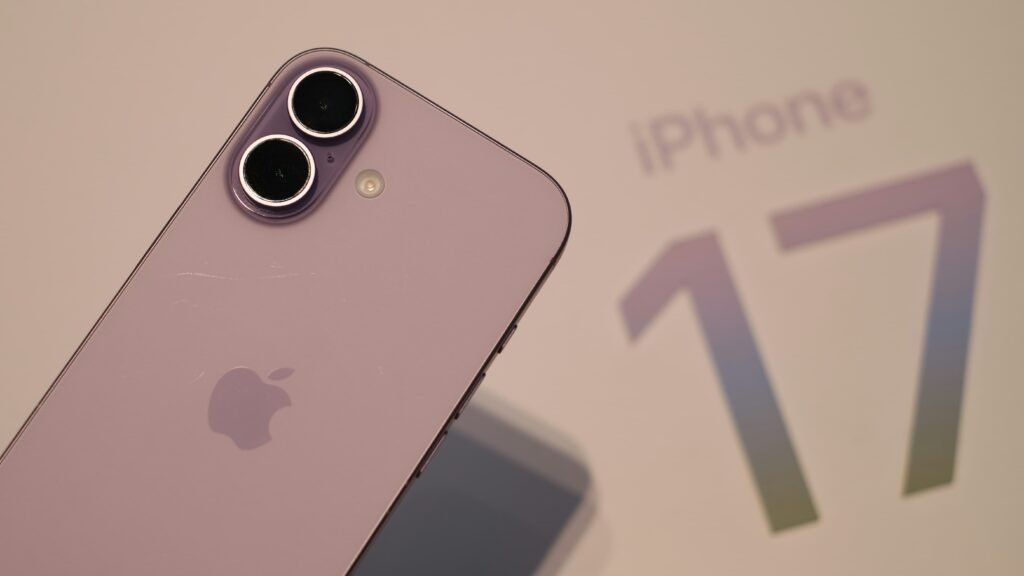
| Camera Spec | Details |
|---|---|
| Main Sensor | 48MP Fusion camera |
| Ultra-Wide | 48MP |
| Telephoto | Digital crop only (no dedicated tele lens) |
| Video | 4K at 60fps, HDR, well-controlled stabilization |
| Special Features | Consistent color science, strong indoor/outdoor exposure |
This isn’t trying to compete with the Ultras on this list, and it doesn’t need to. It’s currently the top-scoring camera in its price bracket, and for the person who just wants to point, shoot, and get a great photo every single time, that’s exactly what it delivers.
What I Love: It’s boringly reliable in the best way. Accurate colors, no weird processing surprises, no drama.
What Could Be Better: Detail drops off noticeably past 4x zoom since there’s no dedicated telephoto lens, and low-light autofocus can hunt a bit.
Price: Around $799.
Best For: Everyday users who want a great camera without thinking about camera settings at all.
10. OnePlus 15 – Best Flagship Value
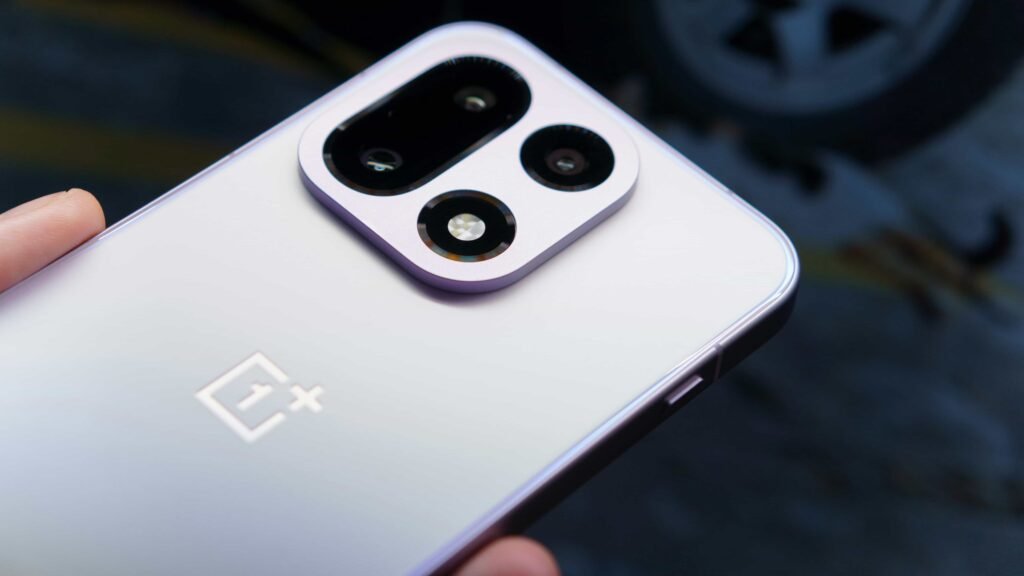
| Camera Spec | Details |
|---|---|
| Main Sensor | 50MP Sony IMX906, f/1.8, 1/1.56″, 24mm |
| Ultra-Wide | 50MP, f/2.0, 16mm |
| Telephoto | 50MP, f/2.8, 85mm, 3.5x optical |
| Video | 4K at 120fps, Dolby Vision |
| Special Features | DetailMax computational engine (replacing Hasselblad tuning), 7,300mAh battery |
OnePlus quietly ended its Hasselblad partnership this generation, and I was genuinely worried the cameras would take a hit. They didn’t, really. The new in-house processing holds its own against phones costing several hundred dollars more.
What I Love: For the price, this is one of the best smartphone for photography options if you’re not chasing the absolute ceiling of image quality.
What Could Be Better: Sensor sizes are a slight downgrade from last year’s model, and the loss of Hasselblad’s signature color tuning will bug longtime fans.
Price: Around $799–$899.
Best For: Budget-conscious flagship shoppers who still want a genuinely capable triple-camera setup.
Pro Tip: These flagship devices are expensive! If you and your partner are trying to save up for a high-end device, tracking your expenses together is crucial. Check out my guide on the best budgeting apps for couples to help build your tech fund faster.
Camera Phone Comparison Table
Here’s the quick-scan version if you just want the highlights of the best phones for photography side by side.
| Phone | Main Sensor | Zoom | Best For | Price Range |
|---|---|---|---|---|
| Huawei Pura 80 Ultra | 50MP, 1-inch | 9.4x optical | Overall best | ~$1,500 |
| Vivo X300 Ultra | 200MP dual | 85mm periscope | Detail & zoom | ~$1,400–1,600 |
| Oppo Find X9 Ultra | 200MP | Dual telephoto | All-rounder | ~$1,300–1,500 |
| Samsung Galaxy S26 Ultra | 200MP | 100x Space Zoom | Zoom & versatility | ~$1,300 |
| iPhone 17 Pro | Triple 48MP | Digital + optical | Video & creators | $1,299 |
| Pixel 10 Pro XL | 50MP | 5x optical | Stills & AI | $1,199 |
| Xiaomi 17 Ultra | 50MP, 1-inch | 75–100mm optical | Enthusiasts | ~$1,400 |
| Honor Magic 8 Pro | 50MP | 3.7x optical | Low-light | ~$1,300–1,400 |
| iPhone 17 | 48MP Fusion | Digital crop | Everyday use | ~$799 |
| OnePlus 15 | 50MP | 3.5x optical | Value flagship | ~$799–899 |
How to Choose the Right Camera Phone for You
Honestly, picking from the best phones for photography really depends on what you actually shoot. So here’s how I’d break it down:
For professional-level photography: The Huawei Pura 80 Ultra or Vivo X300 Ultra. Nothing else on this list touches their raw detail and dynamic range.
For content creators and video: The iPhone 17 Pro, no contest. The consistency is worth more than a slightly higher photo score elsewhere.
For zoom lovers: The Samsung Galaxy S26 Ultra or Xiaomi 17 Ultra, depending on whether you want a fixed zoom range or something closer to a real optical lens.
For budget-conscious buyers: The OnePlus 15 gives you flagship-adjacent quality without the flagship price tag.
For everyday users: The iPhone 17 or Pixel 10 Pro. Both just work, without demanding much from you.
Mistakes I Made When Choosing a Camera Phone
I’ve bought phones based on bad instincts before, even while researching this exact list of the best phones for photography, so let me save you the trouble.
Mistake 1: Only looking at megapixel count. I once picked a phone almost entirely because of its megapixel number. Sensor size and processing matter way more, and I learned that the expensive way.
Mistake 2: Not checking low-light performance. Most of my actual photos happen indoors or at night. If you don’t check this specifically before buying, you’re gambling.
Mistake 3: Ignoring video capabilities. I used to treat video as an afterthought, until I realized I was shooting way more clips than stills without even noticing.
Mistake 4: Overlooking software and image processing. Two phones with near-identical hardware can produce completely different results. Always check real sample photos, not just spec sheets. Steering clear of these common purchasing mistakes will ensure you invest your money into the absolute best phones for photography for your needs.
Frequently Asked Questions (FAQs)
What are the best phones for photography in 2026? Based on DXOMARK’s lab testing and hands-on reviews, the current leaders are the Huawei Pura 80 Ultra, Vivo X300 Ultra, and Oppo Find X9 Ultra, followed closely by the Samsung Galaxy S26 Ultra and iPhone 17 Pro.
Which phone has the best camera in 2026? The Huawei Pura 80 Ultra currently holds the top DXOMARK camera score at 175 points, thanks largely to its 1-inch main sensor and switchable dual telephoto system.
What is the best camera phone for photography if I want something widely available? If import availability is a dealbreaker, the iPhone 17 Pro or Samsung Galaxy S26 Ultra are your best bets among the best phones for photography that are sold everywhere.
Is the iPhone 17 Pro good for photography? Yes, particularly for video, where it holds the top DXOMARK score of any phone tested. Its photo score is strong too, just not quite at the level of the top three Android flagships for raw detail.
Which Android phone has the best camera? The Huawei Pura 80 Ultra tops the charts, though the Vivo X300 Ultra and Oppo Find X9 Ultra are close behind and more realistically available depending on your region.
What is the best budget phone for photography? The OnePlus 15 is the strongest pick if you want a genuinely capable triple-camera system without paying flagship-Ultra prices.
Which phone has the best zoom camera? The Samsung Galaxy S26 Ultra for sheer zoom range with its 100x Space Zoom, or the Vivo X300 Ultra if you want more optical detail retention at shorter zoom distances.
Final Verdict
After all those weeks of research, here’s where I landed: there isn’t one single phone among the best phones for photography that wins at everything, and honestly, I’d be suspicious of any list that claims there is. The Huawei Pura 80 Ultra takes the overall crown on raw image quality, the iPhone 17 Pro is untouchable for video, and the Samsung Galaxy S26 Ultra still wins if zoom is your main obsession.
Pick based on what you actually shoot, not what tops a spec sheet.
Which camera phone are you planning to buy? Drop a comment below!