I still remember the exact moment it hit me. I’d been using Spotify free for something like eight months, skipping past the ads between songs, and one night it just clicked: this can’t be free forever. Somebody, somewhere, was paying for the servers, the licensing deals, and the engineers keeping the app running smoothly. That’s when I started genuinely wondering how do apps make money — not the vague, hand-wavy answer, but the actual mechanics behind it.

Here’s the thing nobody tells you when you’re just a user: almost nothing in the app world is truly “free.” You’re either the customer, the product, or some blend of both. Once you start asking how do apps make money, you can’t unsee it — every notification, every “watch a video for a bonus,” every gentle nudge to upgrade is a monetization decision someone made on purpose.
I’ve spent years researching, testing, and building apps of my own, and I’ve watched founders get their app revenue models badly wrong — and occasionally get them beautifully right. So if you’re an aspiring developer, a curious user, or someone thinking about investing in the next big app idea, this is the guide I wish someone had handed me years ago. By the end, you’ll have a clear answer to how do apps make money, no matter which side of the download button you’re on.
How Do Apps Make Money? — The Big Picture
At the highest level, apps make money the same way any business does: they find something people want, then find a way to get paid for providing it. The tricky part is that most users refuse to pay upfront, so developers get creative.
There isn’t one single answer here — there are at least nine different app business models, and most successful apps blend two or three of them together. Ads pay the bills for scrolling apps. Subscriptions fund the ones you use daily. In-app purchases fund games. Transaction fees fund fintech.
If you’re building an app, understanding the different paths to generating revenue from apps isn’t optional — it’s the difference between a side project that quietly dies and a business that supports itself. If you’re just a curious user, it’ll change how you look at every free download on your phone.
How Do Free Apps Make Money? (The Most Common Models)
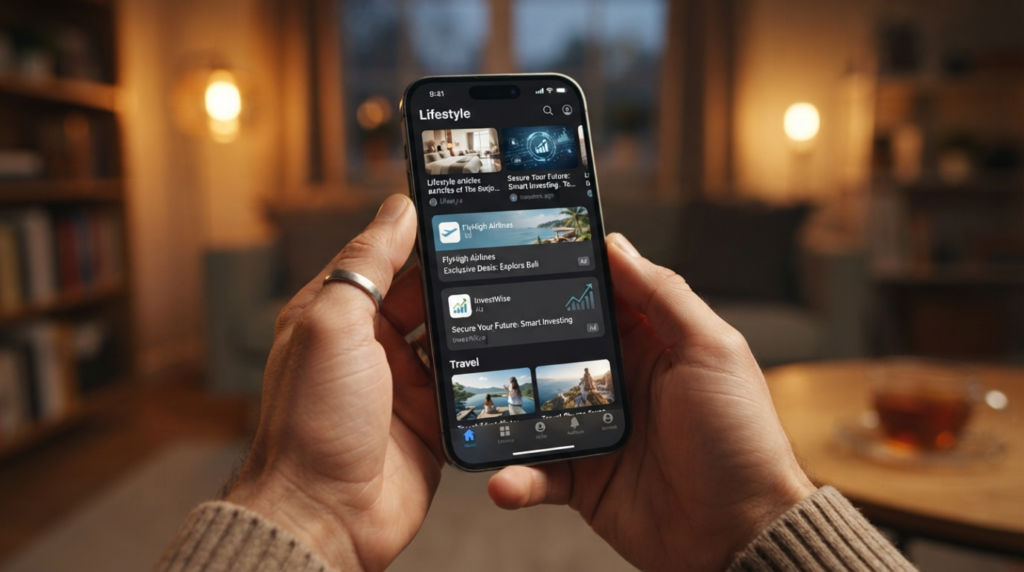
This is the question I get asked the most, usually from someone staring at their phone wondering why an app that’s cost them nothing has stayed in business for five years. How do free apps make money? Mostly through these three models, sometimes all at once.
1. Advertising (In-App Ads)
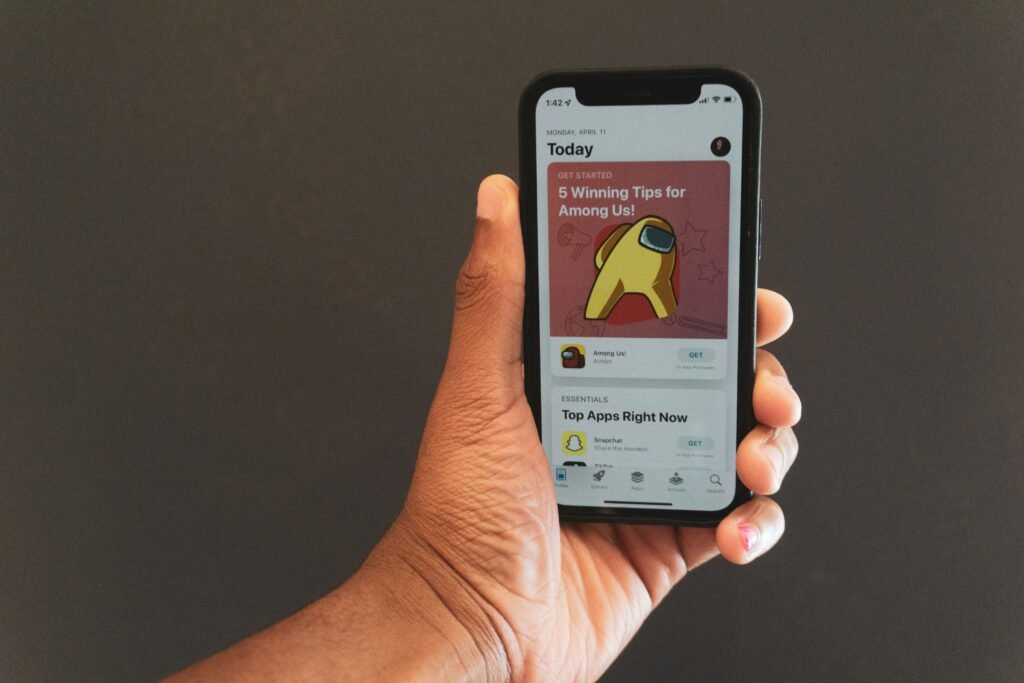
This is the oldest trick in the book, and it’s still everywhere. Banner ads sit quietly at the bottom of your screen, video ads interrupt you between game levels, and native ads blend into your feed so well you almost don’t notice them.
Facebook and Instagram are the poster children here — free forever, funded almost entirely by ads targeted using your own behavior. Most casual mobile games run the same playbook.
For developers, ads mean revenue without ever asking a user to pull out a credit card. For users, it means tolerating interruptions in exchange for not paying. It’s one of the simplest, most direct answers to how do apps make money without charging anyone a cent.
2. Freemium (Free + Premium Features)
Freemium is probably the model most people don’t realize they’re interacting with constantly. You get the core app for free, and the good stuff — extra storage, advanced features, no ads — sits behind a paywall.
Spotify, Notion, and Evernote all run on freemium. You can survive on the free tier indefinitely, but once you hit its limits, the upgrade starts looking pretty reasonable.
The reason freemium works so well is the low barrier to entry. Nobody has to commit money to try the app, which means more downloads, and even a small conversion rate adds up to serious revenue at scale.
3. In-App Purchases (Virtual Goods)
This is where things get psychological. Clash of Clans, Candy Crush, and Fortnite don’t sell you “features” — they sell you gems, coins, skins, and shortcuts. None of it is functionally necessary, but all of it feels good to have.
Virtual currency disconnects the purchase from real money in your head. Spending 500 gems doesn’t feel the same as spending $4.99, even though it’s exactly the same transaction. Game designers know this, and they build entire economies around it.
Paid Apps and One-Time Purchases
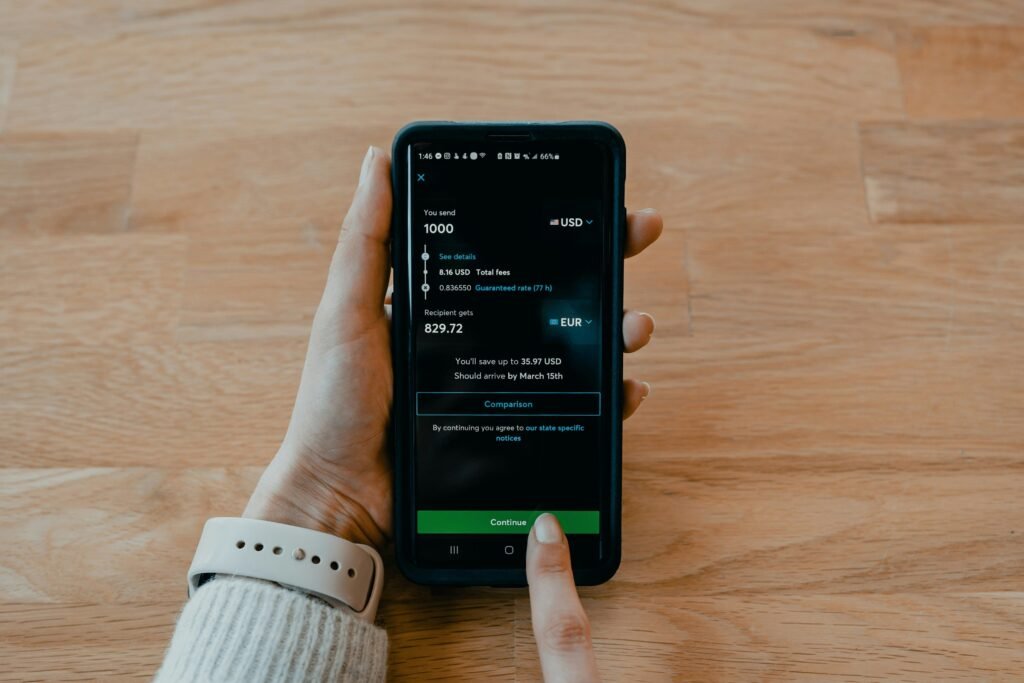
Before subscriptions took over the world, this was simply the answer to how do apps make money — you paid once, downloaded the app, and owned it forever. No recurring charges, no upsells.
Procreate is the best modern example — one purchase, incredible software, no subscription nonsense. Pocket Casts used to run this way too, along with a huge chunk of early productivity apps.
The problem is that one-time purchases only pay the bills once, while developers still have to maintain the app for years afterward. That’s exactly why so many apps have drifted toward subscriptions — though it still works beautifully in niches where users expect to own their tools outright, like creative software and utilities.
Subscription Models — The Recurring Revenue Goldmine
If you want to understand how do apps make money at real scale today, subscriptions are where most of the serious money lives. You pay monthly or yearly for continued access, and as long as you keep finding value, you keep paying.
Netflix, Spotify, Headspace, and Calm all run on this model, and it’s easy to see why developers love it. Predictable, recurring revenue compounds in a way a one-time payment never can — a subscriber worth $10 a month for three years is worth $360.
The catch is retention. Getting someone to subscribe is one thing; keeping them subscribed for years is another entirely. Churn is the quiet killer of subscription apps, which is why the best ones keep shipping new value instead of coasting on the sign-up.
How Do Cash Apps Make Money?
Fintech is where this question gets genuinely interesting, because apps like Cash App, Venmo, and PayPal aren’t selling ads or subscriptions to most users at all. So how do cash apps make money if the app itself is free and most transfers don’t cost anything?
Several ways, actually: instant transfer fees, business transaction fees, interest earned on balances sitting in millions of accounts, investing and brokerage fees, and — this one surprised me — crypto trading spreads.
I never fully appreciated how much Cash App makes from crypto trades until I actually looked into their numbers. Every time someone buys or sells Bitcoin inside the app, there’s a spread built into that price, and multiplied across millions of users, it adds up fast.
It’s a great example of how do apps make money without ever charging a subscription or showing a single ad. Sometimes the revenue model is just quietly built into every transaction you make.
How Do Games Make Money? (The Gaming Industry)
Gaming deserves its own section because when people ask how do apps make money, they’re often really asking how games specifically pull it off — and the answer gets aggressive fast.
In-app purchases are the backbone: gems, coins, skins, energy refills. Loot boxes add a gambling-adjacent layer, where you pay for a random chance at something good instead of a guaranteed item. Battle passes and season passes, popularized by PUBG and Fortnite, give you a reason to keep playing — and paying — for weeks at a stretch.
Candy Crush blends ads and purchases depending on how patient you are. Clash of Clans leans almost entirely on gems and time-skips: pay to finish that building instantly instead of waiting six hours.
The psychology is deliberate — scarcity, time pressure, and the sunk-cost feeling of “I’ve already spent this much, might as well finish.” Studios study these mechanics obsessively, because a few points of conversion at massive scale beats almost any other model on this list.
Data Monetization — The Invisible Revenue Stream
Here’s the model nobody wants to talk about at parties: data. A lot of free apps make money by collecting user behavior — what you tap, how long you stay, what you search for — and selling anonymized insights to advertisers, analytics firms, and researchers.
This is honestly the least talked-about answer to how do apps make money, but it’s genuinely huge. It’s a big part of why so many apps are free in the first place; your attention and your data are the product, even when no cash changes hands directly.
Regulations like GDPR in Europe and CCPA in California have made this harder to do quietly, forcing companies to disclose what they collect and give users a way to opt out. Good for users — even if it’s made data monetization a little less invisible than it used to be.
How Do You Make Money Creating Free Apps? My Honest Take
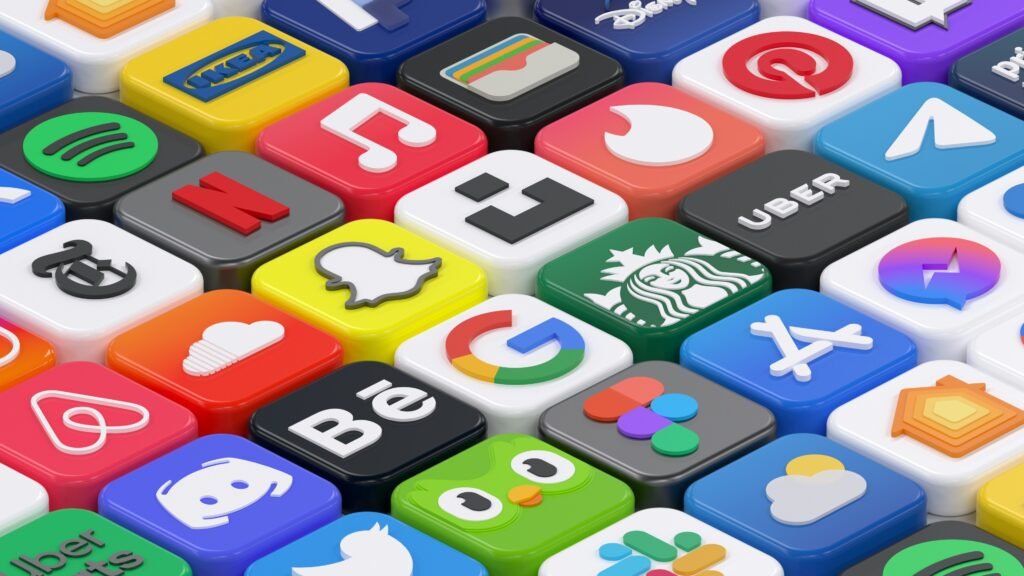
This is the question I get from indie developers more than any other, usually right before launch: how do you make money creating free apps when you’re starting from zero users and zero budget?
My honest answer: start simple. Ads plus a light freemium layer is the easiest combination for a beginner, because it doesn’t require convincing anyone to pay before they’ve even tried the product. Get people in the door free, prove the app is worth using, then figure out what they’d actually pay for.
User acquisition and retention matter more than the monetization model itself in the early days. I’ve watched developers obsess over the “perfect” pricing strategy for an app with two hundred users — that’s solving the wrong problem. (If you haven’t validated the app idea itself yet, that’s worth sorting out first — I’ve written a separate guide on testing an app idea before you build it.)
My personal recommendation: start with ads, then layer in subscriptions once you’ve got a real, engaged user base. Trying to charge from day one, before you’ve proven the app’s value, is one of the fastest ways to kill a promising idea.
Mistakes I’ve Seen App Developers Make
Choosing the wrong model for their audience. A productivity app bolting on loot boxes and gacha mechanics is going to alienate exactly the serious, task-focused users it needs to keep.
Over-monetizing and driving users away. I’ve watched apps pile on so many ads that the core experience becomes unusable, and users leave — taking any future revenue with them.
Ignoring user experience for short-term ad revenue. Squeezing in one more ad slot might bump this month’s numbers, but it quietly erodes retention, which is worth far more over time.
Not tracking the right metrics or listening to feedback. Users will straight-up tell you what they’re willing to pay for, but plenty of developers skip the analytics and the reviews entirely, then wonder why revenue never grows.
Copying competitors without understanding their audience. Just because one app’s approach to app monetization works for a mass-market product doesn’t mean the same playbook fits a niche tool with a completely different user base.
Every one of these traces back to the same root question: how do apps make money sustainably, not just this quarter.
Frequently Asked Questions
How do apps make money?
Apps make money through ads, subscriptions, in-app purchases, one-time payments, transaction fees, and data monetization — usually some combination of two or three rather than just one. The right mix depends entirely on what the app does and who it’s for.
How do free apps make money?
Mostly through advertising and freemium upgrades. The core experience stays free to maximize downloads, while ads and optional paid features cover the cost of running the app.
How do cash apps make money?
Through transaction fees, interest on cash balances, investing fees, and spreads on crypto trades — even when sending money to a friend costs nothing.
How do you make money creating free apps?
Usually by combining ads with a freemium tier, then adding subscriptions once you’ve built a genuine user base. Revenue tends to follow retention, not the other way around.
Which app monetization model is best?
Honestly, there isn’t one universal answer to how do apps make money — it depends on what your app does, who’s using it, and how often they open it. A meditation app and a hyper-casual game shouldn’t be monetized the same way.
Can indie developers make money from apps?
Yes, though it’s harder than it looks from the outside. Most successful indie apps combine a simple monetization model with genuinely useful features and a lot of patience — revenue tends to show up months after the app starts solving a problem well.
How much do apps earn per user?
It varies wildly by category. Ad-supported apps might earn a fraction of a cent to a few dollars per user per year, while subscription apps in health, finance, or productivity can earn tens or even hundreds of dollars per user annually.
What is the most profitable app monetization model?
Subscriptions tend to win on long-term revenue per user, but gaming’s in-app purchases can generate more total revenue from a smaller, highly engaged group of big spenders. It depends on whether you’re optimizing for breadth or depth.
Do all apps make money?
No — most don’t, at least not meaningfully. A huge share of apps in every app store never make it past a tiny handful of downloads, and monetization only matters once an app has an audience worth monetizing.
So, Which Model Would I Actually Pick?
There’s no single, universal answer to how do apps make money — and if anyone tells you there is, they’re oversimplifying. The right model depends on your app, your audience, and the problem you’re actually solving.
If I were building an app today, I’d start with a light freemium model, layer in ads for the free tier, and aim to convert my most engaged users into subscribers once the app proved it could hold their attention. It’s not the flashiest strategy, but it’s the one I’d trust to survive contact with real users. Really, making money from apps comes down to matching the model to the audience, not chasing whatever’s trendy this year.
(Quick aside if you’re budgeting your own project: check out my guide on app development costs before you lock in a monetization plan — it changes the break-even math more than people expect.)
Have you ever made money from an app, or lost money betting on the wrong model? I’d genuinely love to hear your story — drop it in the comments.
Also, if you want to see which AI model gives better results with refined prompts, check out my full comparison on ChatGPT vs Claude Prompt Improver.